Track B · HSC
HVAC System Cleaning Certification
The NISCR HVAC System Cleaning Certification is a $199 online, self-paced course — 8 lessons (≈2.5 hours) with a 20-question exam; pass and download a verifiable certificate the same day, valid 2 years.
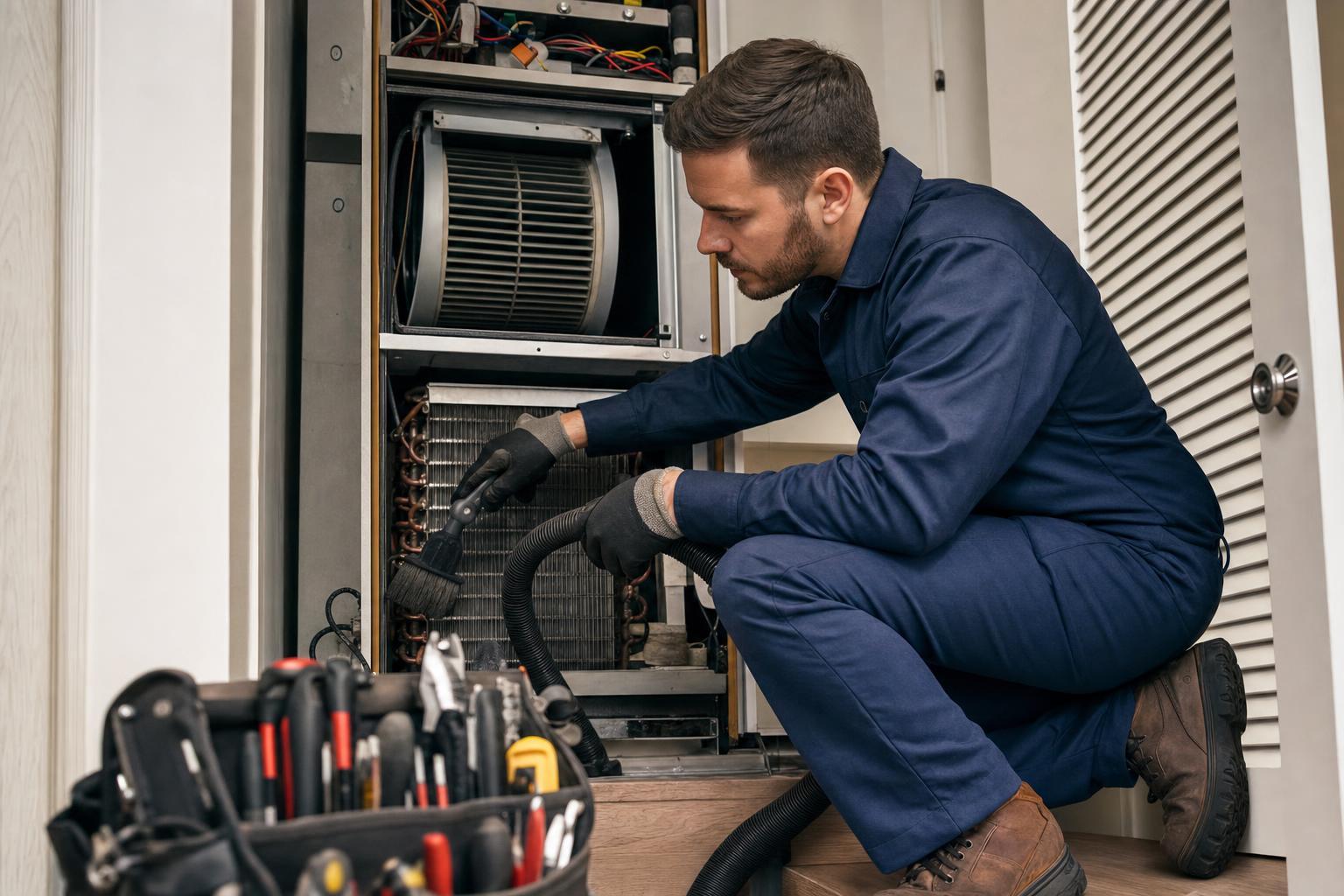
Master the standards-based process for cleaning the entire HVAC system — coils, blowers, drain pans, and air handlers, not just the ductwork — to restore indoor air quality and efficiency, and prove your competence with a credential building owners and facility managers can verify in seconds.
- Self-paced
- Instant certificate
- 2-year validity
- Format
- Online, self-paced
- Lessons
- 8 lessons
- Time
- ≈2.5 hours
- Exam
- 20 questions
- Pass mark
- 75% · retries
- Documents
- 3 included
- Certificate
- Same day
- Validity
- 2 years
Earning potential
How much can you earn?
Per-job ticket
$350–800
Add-on coil + blower service
$150–400 / unit
Commercial contracts
recurring monthly/quarterly revenue
Illustrative ranges — actual earnings vary by location, effort, and experience, and are not guaranteed.
Why it pays
Why get certified?
Sell the whole system, not just ducts
Certification proves you can clean coils, blowers, drain pans, and air handlers — letting you quote complete IAQ jobs instead of competing on duct cleaning alone.
Win recurring commercial contracts
Show property managers and facilities teams a documented, standards-based process for scheduled coil and air-handler maintenance, and turn one-time visits into predictable monthly revenue.
Justify higher tickets
A documented, standards-based cleaning process backs up premium pricing and reduces callbacks over the lowball duct-only crews.
Stand out on IAQ and efficiency claims
Customers worried about mold, allergens, and rising energy bills trust a credential that ties cleaning to measurable airflow and system performance.
Curriculum
Inside the HVAC System Cleaning course
8 self-paced lessons, then a 20-question exam — 75% to pass, unlimited retries. Exam questions are drawn from a larger question pool, so every retry gets a fresh set.
- 1
Lesson 1: The Air Path and the Whole-System Assessment
Every job in this trade begins with the air path, because the air path is what you are actually cleaning. In a typical forced-air system, return air is pulled through the return grille and filter into the air handler. Inside, the blower — a squirrel-cage centrifugal wheel driven by a PSC or ECM motor — pushes that air across the evaporator coil, where refrigerant absorbs heat and, during cooling, moisture condenses out of the airstream into the drain pan below. The conditioned air then travels through the supply plenum and ductwork to the rooms, and the cycle repeats — hundreds of thousands of cubic feet of the building's air every day, all of it crossing the same few square feet of components.
- 2
Lesson 2: Safety — Electrical, Chemical, and Biological Hazards
HVAC cleaning stacks hazards that a mop-and-bucket job never sees: energized circuits, stored electrical charge, corrosive chemistry, biological contamination, and sharp metal — often all inside one cabinet in a hot attic. The professional habit is a deliberate hazard check before any panel comes off, on every visit, because conditions change between jobs and even between rooms.
- 3
Lesson 3: Airflow Science — Static Pressure, CFM, and What Fouling Costs
Everything you clean in this trade exists to restore two things the system was designed around: airflow and heat transfer. A cooling system is commonly designed to move about 400 cubic feet per minute of air per ton of capacity — 350 to 450 depending on climate and design — so a 3-ton system wants roughly 1,200 CFM crossing its coil. Every layer of dirt in the air path steals some of that design airflow, and every film on a heat-exchange surface insulates it. Measure both effects and you can prove what your cleaning accomplished; skip the measurement and you are selling adjectives.
- 4
Lesson 4: Inspection Tools and the Pre-Cleaning Baseline
You cannot prove what you never measured. Before the first brush or spray touches the system, a professional records a baseline — the readings and photographs that define the 'before' every 'after' will be compared against. The baseline is what turns an invisible cleaning into a documented result, and it takes about half an hour with a handful of instruments.
- 5
Lesson 5: Coil Cleaning and the Condensate Path
Coils are the heart of heat transfer and the most delicate thing you will touch: thin aluminum fins bonded to refrigerant tubing, commonly packed 12 to 15 fins per inch. Bend the fins and you have traded dirt restriction for permanent metal restriction, so every coil decision — tool, chemistry, pressure, direction — is really a decision about protecting fins while removing what is on them.
- 6
Lesson 6: Blower, Cabinet, and Containment — Designing the Cleaning Process
The blower compartment is where neglected systems hide their biggest airflow losses, and cleaning it is a designed process, not an attack. The design has three commitments: nothing dislodged escapes into the occupied space, nothing electrical or balanced gets damaged, and the system goes back together exactly as it came apart.
- 7
Lesson 7: Verification and Quality Assurance — Proving the Numbers Moved
Cleaning is a claim; verification is the proof. Everything you measured at the baseline gets measured again, at the same points, with the same instruments and methods, with the system reassembled and running. The comparison — not the effort, not the hours, not the photos of dirty water — is what the customer is actually buying, and it is what separates a professional service from a shop-vac with a business card.
- 8
Lesson 8: Completion, Documentation, and Professional Boundaries
This trade is paid on evidence. Two technicians can clean the same system equally well; the one with a complete service report collects without friction, wins the maintenance contract, and gets the referral — the one without spends the callback explaining work nobody can see. Completion is where the job's value gets written down, and where its boundaries get stated honestly.
Curriculum
What you’ll learn
- Clean and rinse evaporator and condenser coils without bending fins or damaging the coil, using the correct foaming and no-rinse cleaners for each coil type.
- Disassemble, clean, and rebalance blower wheels and motor assemblies to remove caked debris that chokes airflow and wastes energy.
- Service condensate drain pans and lines — clearing clogs, treating biofilm, and verifying proper slope and drainage to prevent overflow and microbial growth.
- Open, inspect, and clean air-handler interiors and plenums, including interior insulation surfaces, following containment and source-removal standards.
- Set up negative-air containment and HEPA collection so dislodged debris is captured rather than spread through the occupied space.
- Identify and document microbial contamination, biofilm, and rust, and know when to refer remediation beyond routine cleaning.
- Select and properly apply coil cleaners, antimicrobial treatments, and EPA-registered products safely and within label requirements.
- Measure and document before-and-after airflow and static pressure to demonstrate the efficiency gains your cleaning delivered.
What's included
Everything you get with enrollment
One price — the course, the exam, the certificate, and the tools to put it to work.
Self-paced lessons
Guided lessons with key points, safety callouts, real job scenarios, and practice checks — about 2–3 focused hours.
A real certification exam
A 20-question exam drawn from a larger question pool — 75% to pass, and every retry gets fresh questions.
Professional field documents
Branded checklists, customer agreements, and job logs printed with your company letterhead — unlocked when you pass.
Instant, verifiable certificate
Pass and download your Certificate of Completion the same day — with a unique ID anyone can confirm online.
2-year validity + renewal
Your credential is valid for two years, with a simple renewal path before it expires.
Free Find-a-Pro listing
Once certified, claim a free listing so homeowners in your area can hire you.
The process
How it works
Enroll & pay
Secure checkout, instant course access.
Complete the course + pass the exam
Guided lessons with real job scenarios, then a 20-question exam — 75% to pass, unlimited retries.
Download your certificate
Personalized certificate generated instantly, with a unique verification ID.
Your credential
Your certificate
- Holder name and course title
- Unique certificate ID
- Issue date and expiry date (2-year validity)
- Online verification by ID
A NISCR Certificate of Completion confirms completion of NISCR training and examination. It is a professional credential, not a government license. Where local law requires a license to perform a service, the technician is responsible for obtaining it.
Certificate
of Completion
This certifies that
Your Name
has completed
HVAC System Cleaning
- Certificate No.
- Valid
- NISCR-HSC-2026-XXXXXX
- 2 years
Enroll
Enroll today
$199
Course + certificate + a simple renewal option.
Try it risk-free for 3 days — full refund before you begin the final exam.
Keep going
Related certifications
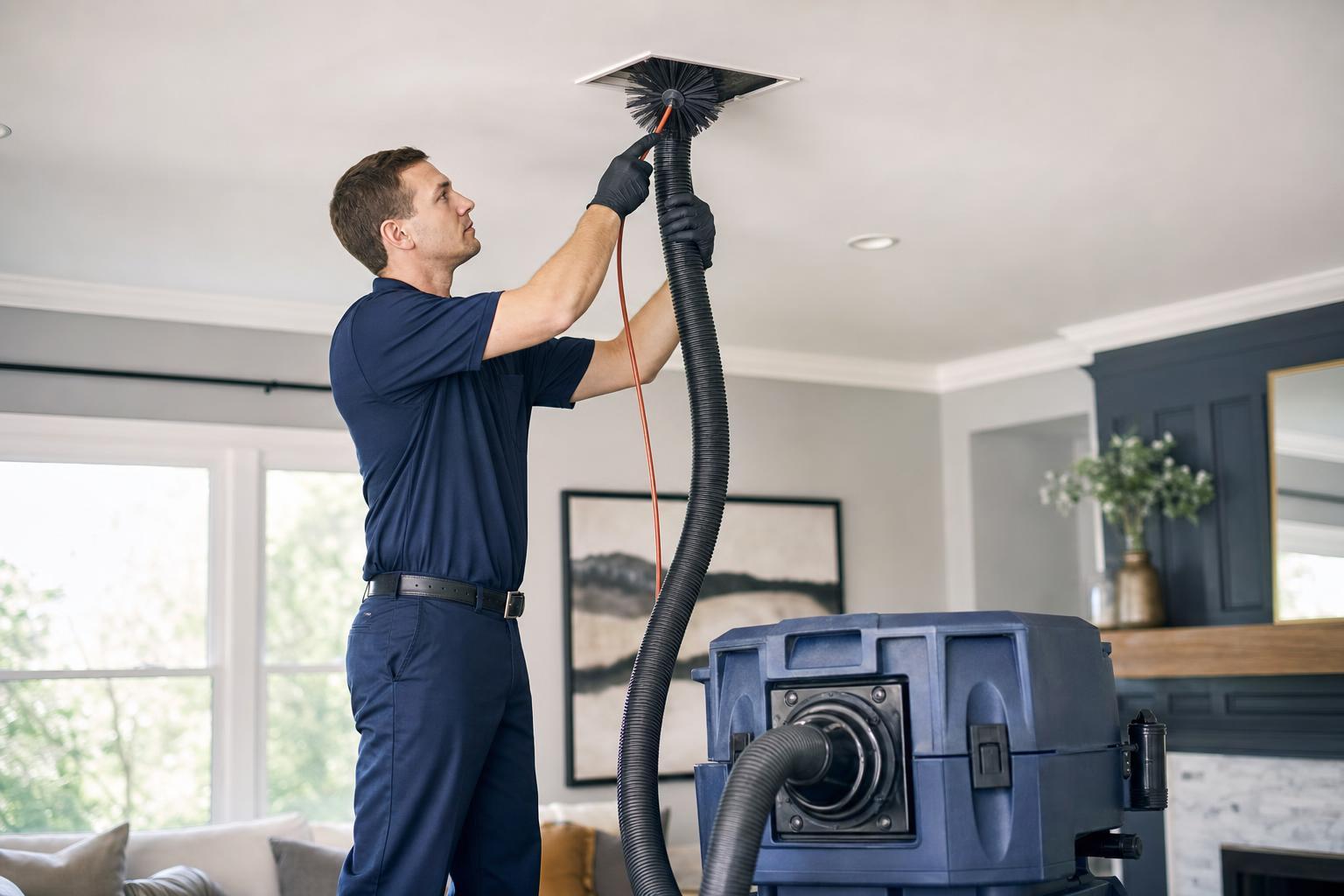
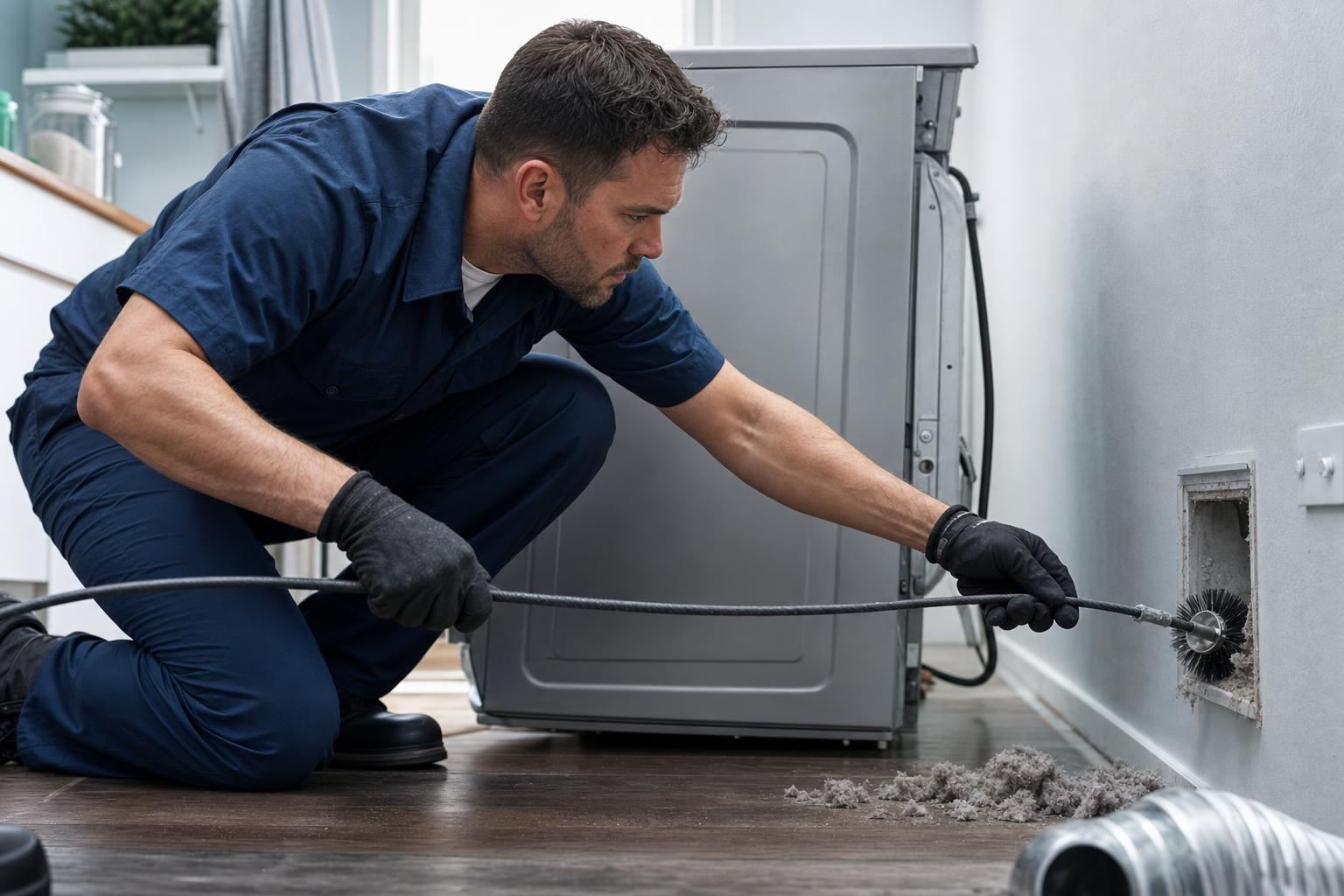
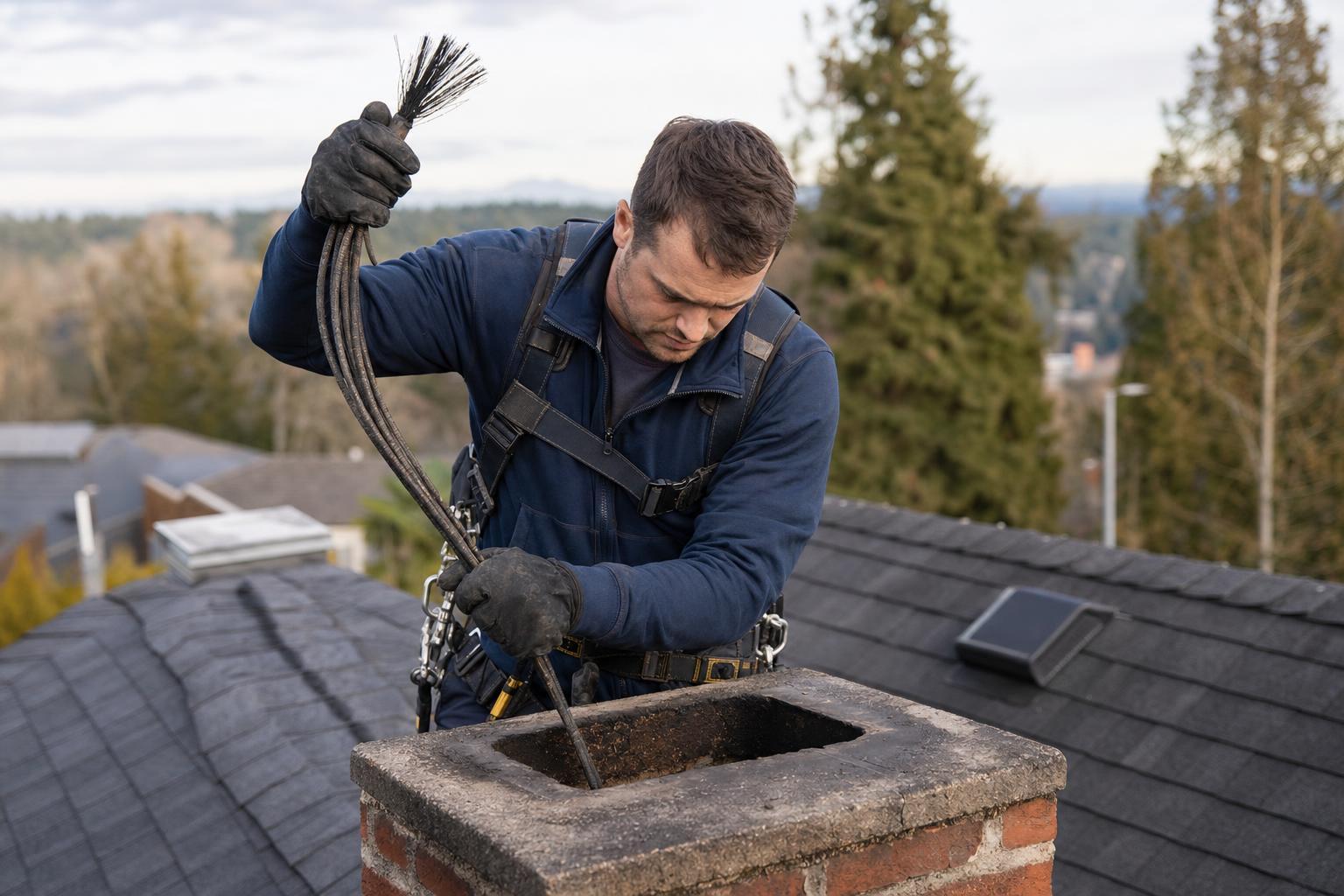
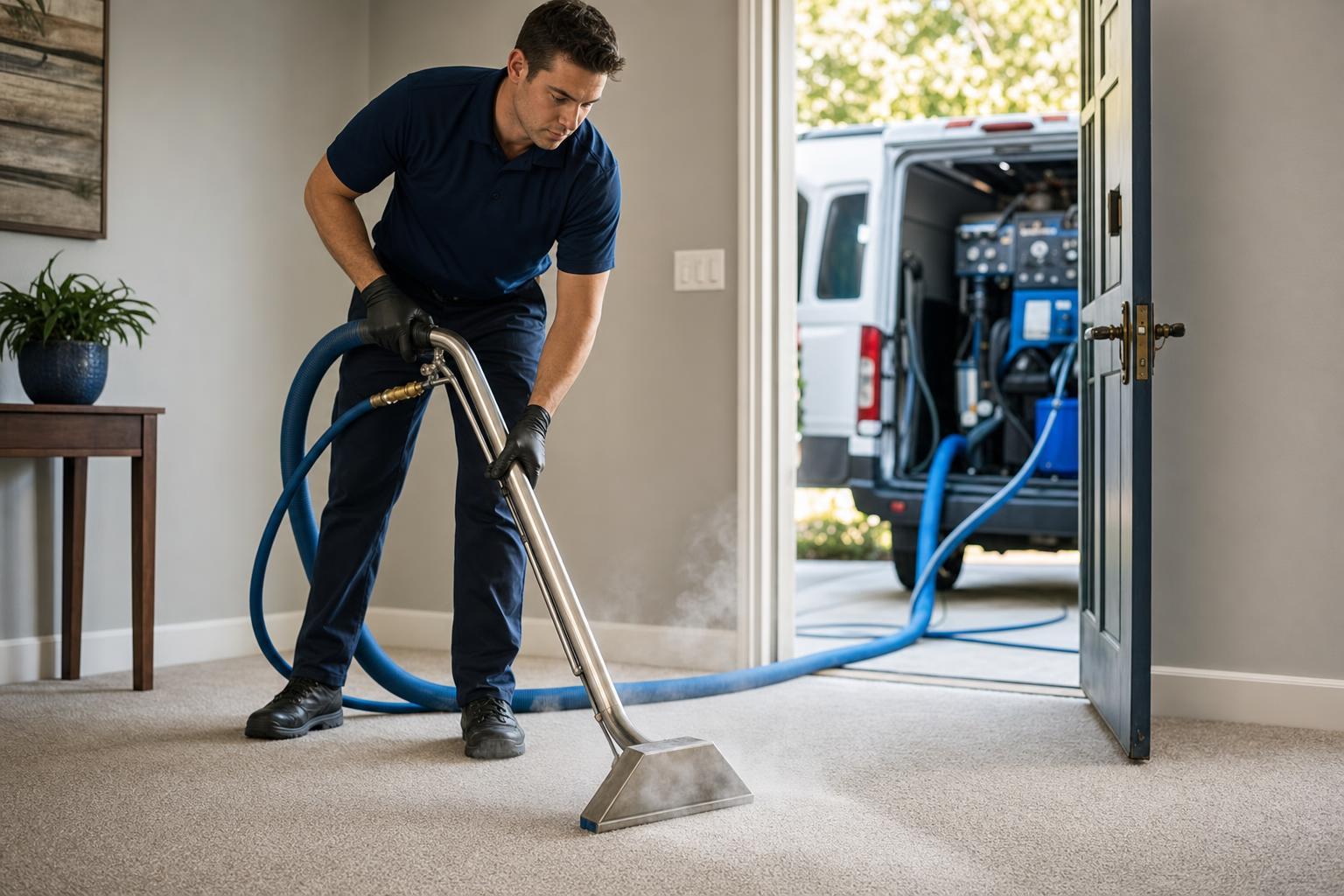
Questions
Frequently asked questions
- Is this a license?
- No. NISCR HVAC System Cleaning Certification is a professional credential, not a government license. It demonstrates that you have been trained in a standards-based whole-system cleaning process, and it gives customers and commercial clients proof of training they can check at niscr.com/verify.
- How fast do I get the certificate?
- Same day. Once you complete the course and pass the exam — 20 questions drawn from a larger question pool, with a 75% pass mark and unlimited retries (each retry draws a fresh set of questions) — your certificate is issued immediately and available to download and share.
- Does my state require a license for this work?
- It varies by state and locality. Some jurisdictions require an HVAC, EPA Section 608, or contractor license to handle equipment or refrigerant — always check your local requirements. This certification complements those credentials; it does not replace them.
- What's the difference between this and a duct-cleaning certification?
- Duct cleaning addresses the air pathways. This certification covers the components that actually foul and lose efficiency — coils, blowers, drain pans, and air handlers — so you can clean and document the entire system, not just the ducts.
- Do I need my own equipment to get certified?
- No equipment is required to earn the certificate. The course teaches the process and standards for tools like HEPA negative-air machines, coil cleaners, and airflow meters; you can apply it with the equipment you already own or acquire as you scale.
- Who is this certification for?
- HVAC technicians, duct-cleaning crews, restoration and IAQ contractors, and independent operators who want to offer whole-system cleaning, win commercial maintenance contracts, and back their work with a verifiable certificate.