Track A · ODC
Odor Control Certification
The NISCR Odor Control Certification is a $199 online, self-paced course — 8 lessons (≈2.5 hours) with a 20-question exam; pass and download a verifiable certificate the same day, valid 2 years.
Master the standards-based process for locating, neutralizing, and sealing out stubborn odors — from source removal to thermal fogging and hydroxyl treatment — and prove it with a credential customers and property managers can verify in seconds.
- Self-paced
- Instant certificate
- 2-year validity
- Format
- Online, self-paced
- Lessons
- 8 lessons
- Time
- ≈2.5 hours
- Exam
- 20 questions
- Pass mark
- 75% · retries
- Documents
- 3 included
- Certificate
- Same day
- Validity
- 2 years
Earning potential
How much can you earn?
Per-job deodorization
$150–600
Profitable add-on or standalone service
$300–900 / day
Recurring contracts
steady monthly revenue
Illustrative ranges — actual earnings vary by location, effort, and experience, and are not guaranteed.
Why it pays
Why get certified?
Charge for the fix, not the cover-up
Certified techs price on source removal and verified results instead of cheap masking sprays customers can buy themselves.
Add it to every restoration job
Odor control adds onto fire, water, biohazard, and turnover work, raising the value of jobs you already win.
Win property-manager and landlord accounts
Owners turning over rentals and managing smoke or pet complaints favor a documented, repeatable deodorization process.
Apply equipment correctly and safely
Knowing the right dwell times and clearance for ozone and hydroxyl protects occupants and shields you from liability.
Curriculum
Inside the Odor Control course
8 self-paced lessons, then a 20-question exam — 75% to pass, unlimited retries. Exam questions are drawn from a larger question pool, so every retry gets a fresh set.
- 1
Lesson 1: How Odor Works — Sources, Pathways, and the First Assessment
Every odor complaint is a chemistry problem wearing a mystery costume. An odor is volatile molecules escaping a source, riding air currents, and landing on receptors high in the nose. That framing matters because it turns odor control into a materials problem you can actually solve: find where the molecules are being produced or stored, remove or destroy them, and the odor ends. Skip that thinking and you end up spraying fragrance at a symptom while the source keeps manufacturing new molecules around the clock.
- 2
Lesson 2: Safety — Chemicals, Gases, and Protecting People
Odor work concentrates an unusual mix of hazards into small, often poorly ventilated spaces: oxidizing gases, solvent vapors, heated fogging equipment, biological contamination, and chemistry a technician mixes on a tailgate. The habits in this lesson are what let you use aggressive tools for years without an incident — and they are the first thing to review before every method in the rest of this course.
- 3
Lesson 3: Source Removal and Residue Cleaning — Where Odor Jobs Are Won
No deodorization method destroys odor molecules faster than removing the object producing them. Source removal and residue cleaning — the first two steps of the hierarchy — account for the majority of the odor reduction on most jobs, and they are the steps that separate a professional result from an expensive air freshener. Everything in this lesson is manual, unglamorous, and decisive.
- 4
Lesson 4: Finding the Source — Inspection Tools and Odor Mapping
Your nose is the primary instrument of this trade, and it is a deeply flawed one. Olfactory adaptation — the nose tuning out a persistent smell — begins within minutes of exposure, which is why occupants living in a strong odor may barely notice it and why a technician who has been inside for an hour cannot be trusted to judge progress. Work with the flaw instead of against it: treat your first impression at the door as data you cannot get back, take fresh-air breaks before every important evaluation, and when a judgment really matters, bring in a 'neutral nose' — someone who has not been on site that day.
- 5
Lesson 5: Counteractants and Application Methods — Matching Chemistry to Odor
Once the source is out and the residues are cleaned, the remaining odor lives in materials and air — and now the product catalog matters. Counteractants divide into working families, and matching the family to the odor is the core professional judgment of this stage. Masking agents layer fragrance over an odor; they have a narrow legitimate role as a short-term bridge while real work proceeds, and no role as a fix. Pairing agents chemically combine with odor molecules or alter how they register, genuinely changing what reaches the nose. Absorption media such as activated carbon capture molecules from the air passing through them. Enzyme digesters are living chemistry that consumes organic deposits — urine, decomposition residue — and they need moisture, moderate temperature, and full label dwell to work. Oxidizers, including chlorine-dioxide and hydrogen-peroxide-based products, chemically destroy odor molecules on contact. And where the source is microbial, the treatment must address the growth and its moisture condition, not just the smell it makes.
- 6
Lesson 6: Gas-Phase Treatment Design — Ozone and Hydroxyl
Gas-phase oxidizers are the finishing school of odor control: they destroy the molecules remaining in the airspace and on exposed surfaces after removal, cleaning, and any fogging have done the heavy work. Two technologies dominate, and choosing between them is a design decision driven by occupancy, contents, and timeline — not by which machine is on the truck.
- 7
Lesson 7: Verification, Stubborn Odors, and Sealing
A treatment is not a result. The job is done when a verification protocol says the odor is gone under the worst conditions the building will see — not when the equipment is loaded and the house smells acceptable to a crew that has been inside it all day. This lesson is how you prove the win, and what to do when the proof says you have not won yet.
- 8
Lesson 8: Completion, Customer Communication, and Documentation
Odor work has a documentation problem baked into it: the thing you fixed is invisible, subjective, and impossible to photograph. A water technician can show a meter reading; you are proving a smell is gone — to a customer whose nose adapted to it months ago, and sometimes to an adjuster months after that. The answer is the same as in every restoration trade, applied more rigorously: write down what you found, what you did, and how you verified it, at the moment each of those things happened.
Curriculum
What you’ll learn
- Locate hidden odor sources — subfloor, HVAC, wall cavities, and porous materials — instead of treating the air alone.
- Match the deodorization method to the odor type, distinguishing smoke, pet, decomposition, mold, and chemical odors.
- Operate ozone generators safely, including unoccupied-space protocols, dwell times, and post-treatment clearance.
- Run hydroxyl generators to deodorize occupied spaces where ozone would be unsafe.
- Apply thermal and ULV fogging to drive deodorizing agents into the same pathways the odor traveled.
- Seal residual odors in framing and substrates with the correct primers and encapsulants after source removal.
- Decide when materials must be removed and disposed of versus cleaned, treated, and restored in place.
- Verify and document odor elimination so customers and property managers accept the work as complete.
What's included
Everything you get with enrollment
One price — the course, the exam, the certificate, and the tools to put it to work.
Self-paced lessons
Guided lessons with key points, safety callouts, real job scenarios, and practice checks — about 2–3 focused hours.
A real certification exam
A 20-question exam drawn from a larger question pool — 75% to pass, and every retry gets fresh questions.
Professional field documents
Branded checklists, customer agreements, and job logs printed with your company letterhead — unlocked when you pass.
Instant, verifiable certificate
Pass and download your Certificate of Completion the same day — with a unique ID anyone can confirm online.
2-year validity + renewal
Your credential is valid for two years, with a simple renewal path before it expires.
Free Find-a-Pro listing
Once certified, claim a free listing so homeowners in your area can hire you.
The process
How it works
Enroll & pay
Secure checkout, instant course access.
Complete the course + pass the exam
Guided lessons with real job scenarios, then a 20-question exam — 75% to pass, unlimited retries.
Download your certificate
Personalized certificate generated instantly, with a unique verification ID.
Your credential
Your certificate
- Holder name and course title
- Unique certificate ID
- Issue date and expiry date (2-year validity)
- Online verification by ID
A NISCR Certificate of Completion confirms completion of NISCR training and examination. It is a professional credential, not a government license. Where local law requires a license to perform a service, the technician is responsible for obtaining it.
Certificate
of Completion
This certifies that
Your Name
has completed
Odor Control
- Certificate No.
- Valid
- NISCR-ODC-2026-XXXXXX
- 2 years
Enroll
Enroll today
$199
Course + certificate + a simple renewal option.
Try it risk-free for 3 days — full refund before you begin the final exam.
Better value
This course is part of the Water Damage Bundle — 4 certifications for $640 $796 (save $156).
View the bundle →Keep going
Related certifications
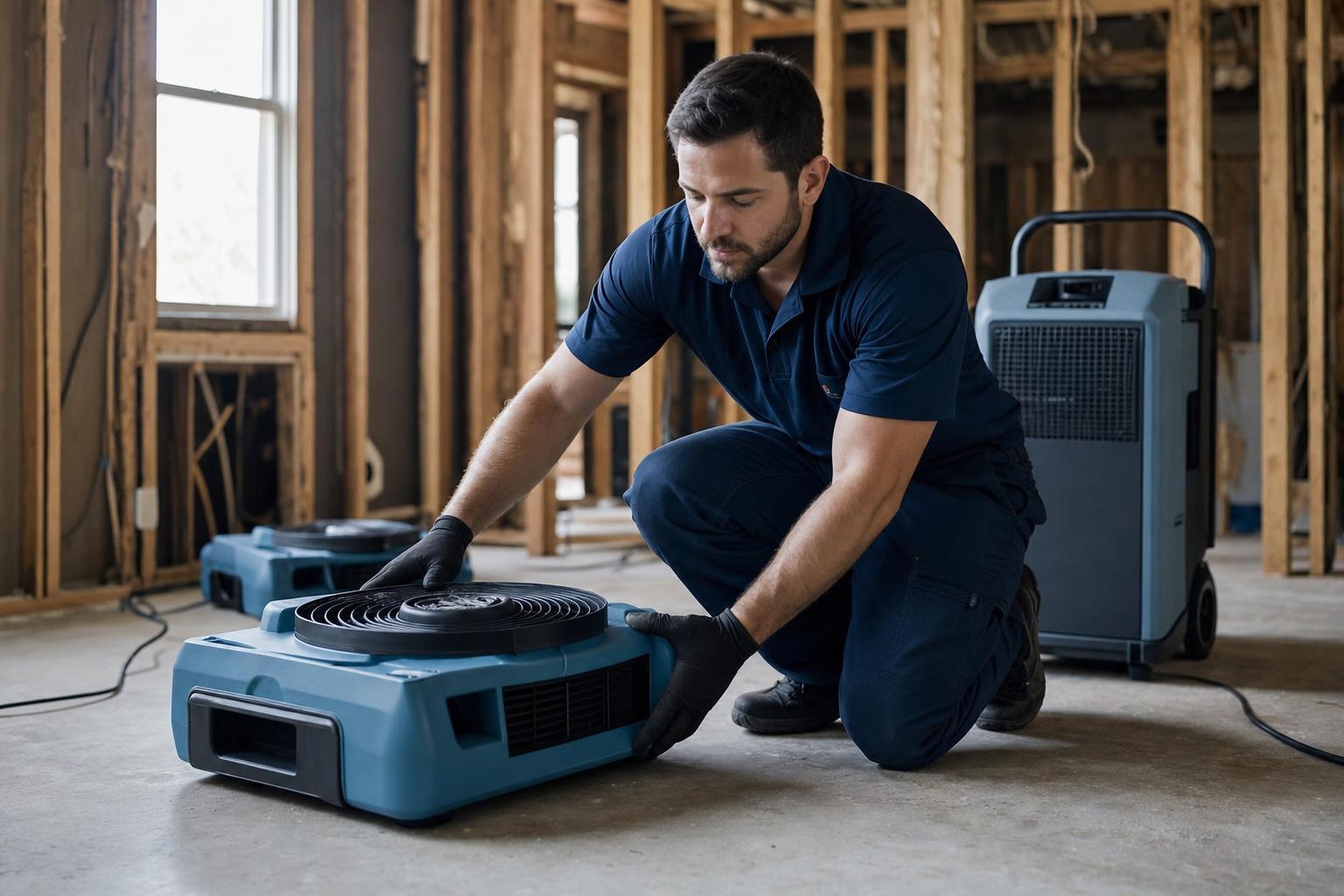
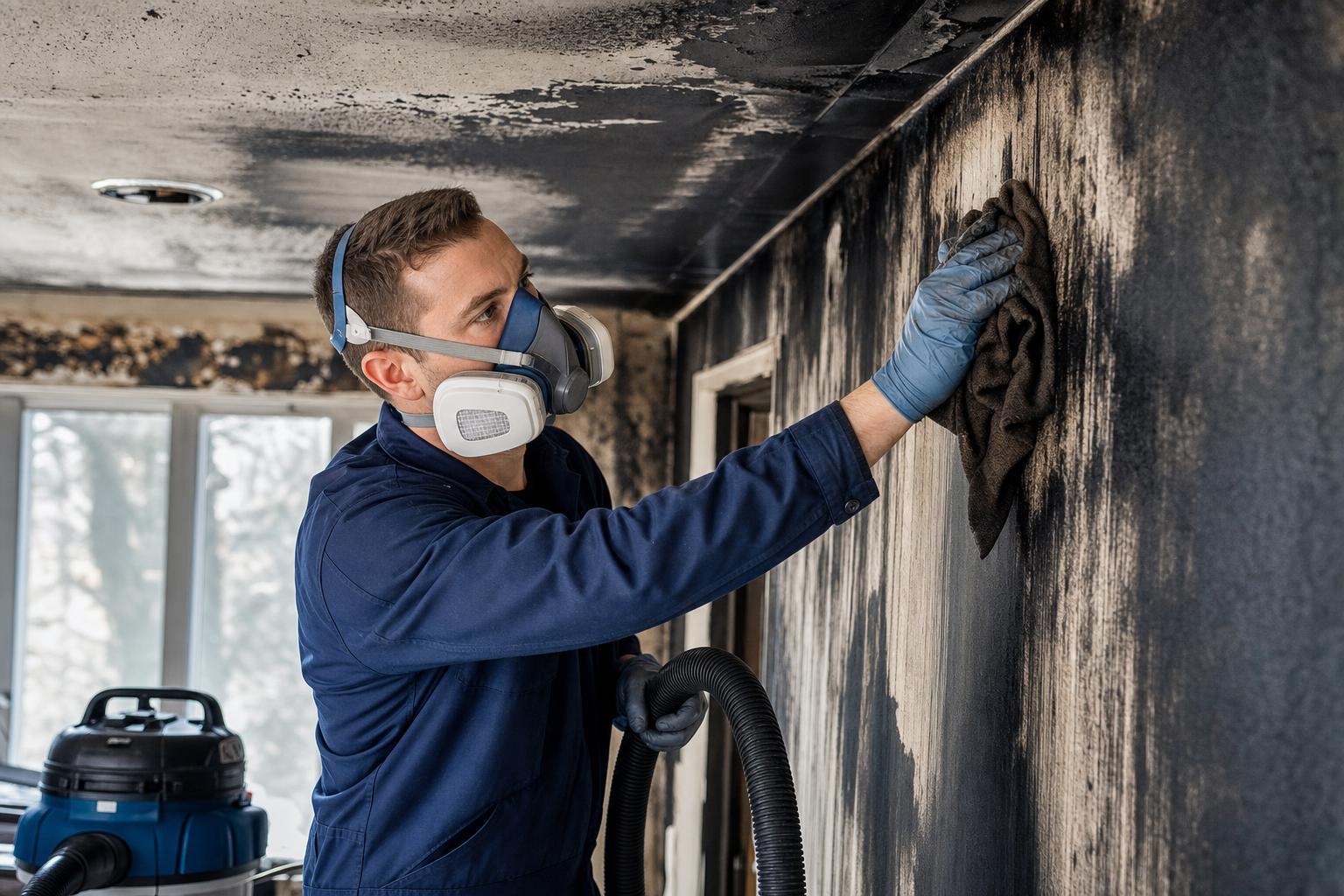
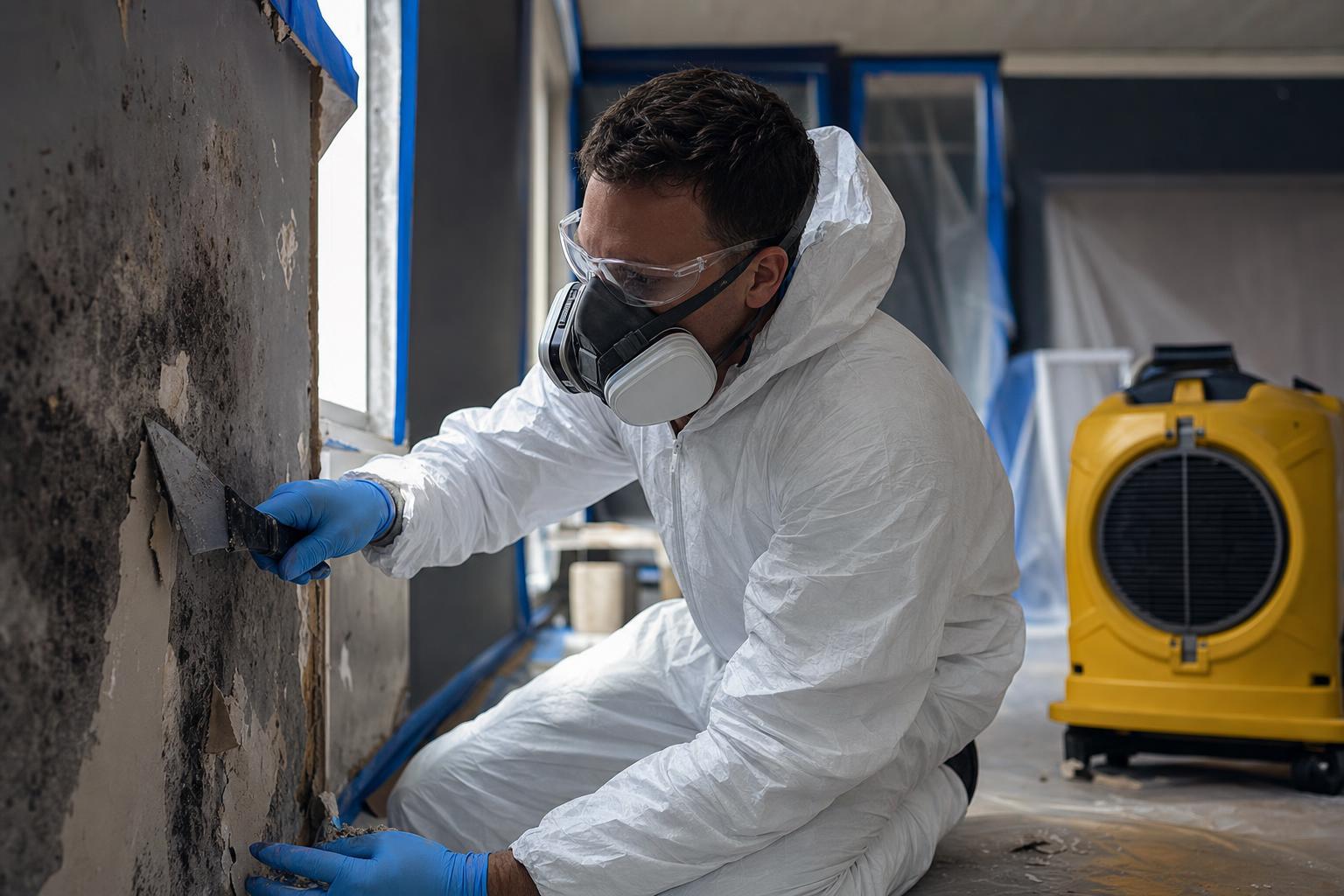
Questions
Frequently asked questions
- Is this a license?
- No. This is a professional certification from NISCR, not a government license. It verifies you have been trained in a standards-based odor control process and gives customers and landlords proof of training they can check at niscr.com/verify.
- How fast do I get the certificate?
- Same day. Once you complete the course and pass the exam — 20 questions drawn from a larger question pool, with a 75% pass mark and unlimited retries, each retry drawing a fresh set of questions — your certificate is issued immediately so you can start presenting it to clients right away.
- Does my state require a license for this work?
- It varies. Most states do not license odor control specifically, but rules on ozone use, chemical handling, and related restoration trades differ by location. Check your state and local requirements — this certification complements those rules, it does not replace them.
- What is the difference between ozone and hydroxyl treatment?
- Ozone is powerful but requires the space to be unoccupied during treatment, with people, pets, and plants removed. Hydroxyl generators work more slowly but are safe to run in occupied spaces. The course teaches when each is the right choice.
- Do I need expensive equipment to start?
- No. You can begin with source removal, sealing, and a fogger, then add a hydroxyl or ozone generator as your jobs grow. The course covers how to scope work to the gear you have.
- Can I offer odor control as a standalone business?
- Yes. It works both as a profitable add-on to cleaning or restoration work and as a standalone service, with recurring demand from rental turnovers, vehicle deodorization, smoke complaints, and pet odor removal.