West Virginia · UPH
Upholstery & Fabric Cleaning Certification in West Virginia
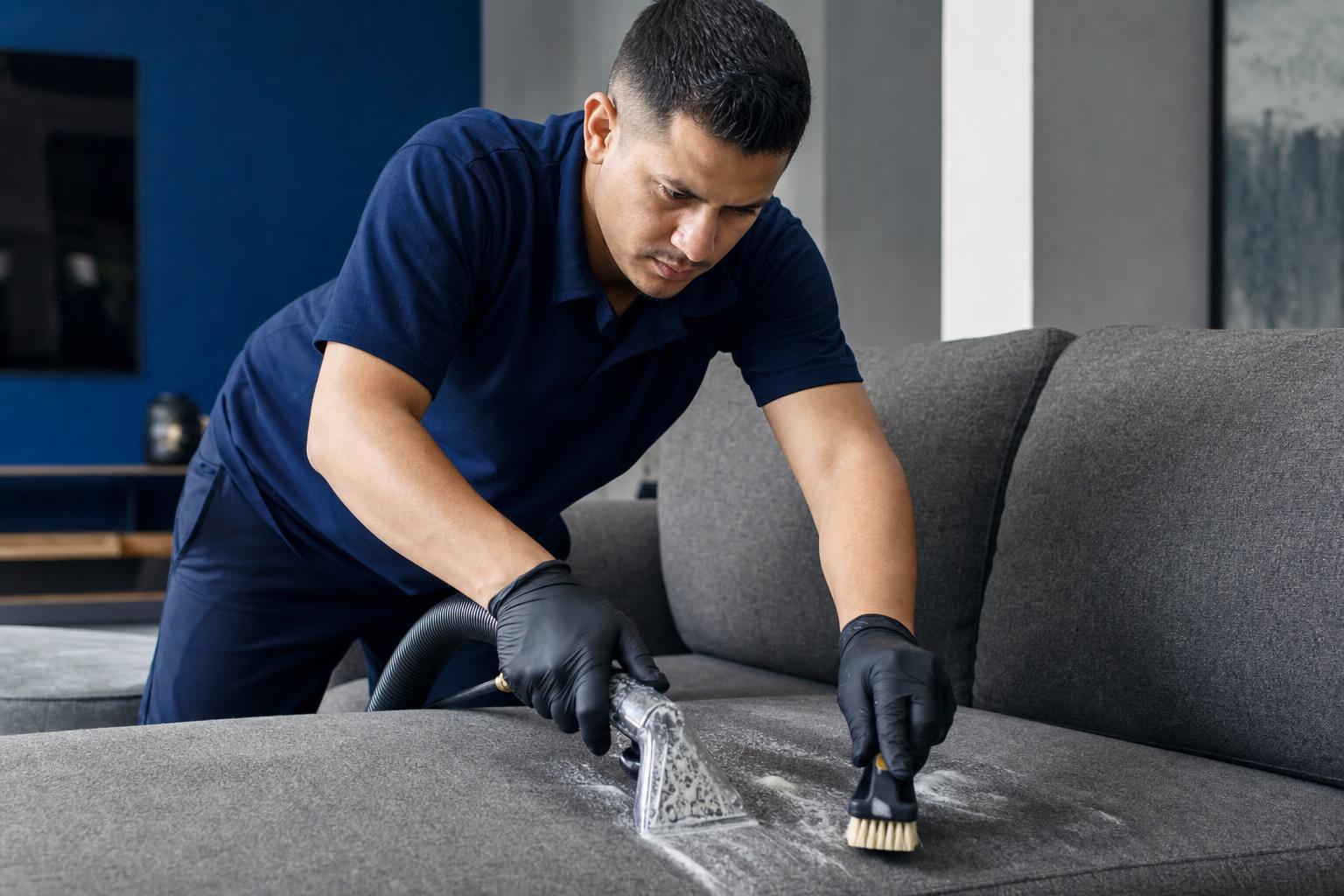
Get certified in Upholstery & Fabric Cleaning (UPH) online in West Virginia with NISCR's self-paced course and a same-day certificate. Learn safe cleaning of delicate and synthetic fabrics so you can refresh furniture for homes and businesses across the Mountain State. It pairs naturally with carpet cleaning to round out a full soft-surface service offering.
100% online & self-paced — your certificate the same day, anywhere in West Virginia.
- Self-paced
- Certificate when you pass
- 2-year validity
Licensing
Do you need a license in West Virginia?
Upholstery and fabric cleaning is generally not a licensed trade in West Virginia. A local business license may be required to operate in your locality. Verify current West Virginia and local business requirements before starting. A NISCR certificate is a professional credential, not a government license.
| Government license | Professional certification (NISCR) | |
|---|---|---|
| What it is | Legal permission from a state agency to perform regulated work. | Proof you completed standards-based training and passed an exam — a verifiable certificate anyone can check at niscr.com/verify. |
| Who issues it | Your state licensing board or agency. | NISCR — a private certification provider, not a government body. |
| Legally required to work? | Sometimes — it depends on your state and the specific service. | No — it is a professional credential, not a legal requirement. |
| Why it matters | Required by law where it applies; operating without one can mean fines or penalties. | Verifiable proof of training that builds customer confidence and helps you compete for better-paying jobs; it does not replace a credential a specific insurance program requires. |
| How you get it | Apply through your state; requirements and timelines vary. | 100% online and self-paced — download your certificate the same day. |
A NISCR Certificate of Completion confirms completion of NISCR training and examination. It is a professional credential, not a government license. Where local law requires a license to perform a service, the technician is responsible for obtaining it. Licensing rules change and vary by city and county. Always confirm current requirements with your state licensing board before performing work.
Local demand
The upholstery & fabric cleaning market in West Virginia
West Virginia's humid climate can leave upholstered furniture damp and musty, while heavy wood-stove and tobacco smoke in many older homes embeds odors and soot in fabrics. Combined with flood and water-damage events that affect furniture, these conditions create steady demand for professional upholstery cleaning.
Market data
What customers typically pay (national figures)
These are national, third-party figures, not figures for West Virginia, and they are not what you will earn. For the rules that apply where you work, see the licensing note on this page.
What US customers typically pay
$138–$247 per job (Thumbtack, Mar 2026)
Second cost guide, same service
$100–$250 per job (Fixr, Jan 2025)
Third cost guide, same service
$120–$232 per job (HomeAdvisor, Jun 2026)
Customer prices on course pages come from third-party cost guides (Thumbtack, HomeAdvisor, Fixr) dated January 2025 to July 2026, and pay figures from the U.S. Bureau of Labor Statistics (May 2025 data) for the occupation named. They are third-party market figures, not earnings promises: what you earn depends on your location, licensing, effort, and costs, and is not guaranteed.
Curriculum
What you’ll learn
- Identify natural and synthetic fibers — cotton, linen, wool, silk, rayon, polyester, olefin, and blends — and match each to a safe cleaning method.
- Read manufacturer cleaning codes (W, S, WS, X) and translate them into the correct water-based, solvent, or dry approach.
- Run colorfastness and bleed tests on a hidden area before committing to a full clean.
- Select between hot-water extraction, low-moisture encapsulation, and dry-solvent methods based on fiber, construction, and soil type.
- Treat delicate and decorative textiles — velvet, chenille, and microfiber — without crushing pile, watermarking, or shrinkage, and recognize antique and unstable textiles that need a conservator.
- Pre-treat and safely remove common stains while avoiding dye migration, browning, and texture distortion.
Every lesson, the exam format, and the certificate details are on the full NISCR Upholstery & Fabric Cleaning course page.
By city
Upholstery & Fabric Cleaning certification in West Virginia cities
The process
How it works
Enroll & pay
Secure checkout, instant course access.
Complete the course + pass the exam
Guided lessons with real job scenarios, then a 20-question exam — 75% to pass, unlimited retries.
Download your certificate
Personalized certificate generated instantly, with a unique verification ID.
Questions
Upholstery & Fabric Cleaning certification in West Virginia — FAQ
- Do I need a license for upholstery cleaning in West Virginia?
- Upholstery and fabric cleaning is generally not licensed in West Virginia, though a local business license may apply. Verify current local requirements before operating.
- Is upholstery cleaning in demand in West Virginia?
- Yes. Humidity-related mustiness, wood-stove and tobacco smoke in older homes, and water-damage events all drive steady demand for fabric and furniture cleaning.