
Track C · HVF
HVAC Fundamentals Certification Requirements by State
Requirements for HVAC work are stricter than most trades: handling refrigerants requires EPA Section 608 certification — administered by EPA-approved certifying organizations — everywhere in the U.S., and many states also license HVAC contracting. This page explains how those requirements work and where a professional credential fits. The NISCR HVAC Fundamentals Certification is a professional credential that proves verified training in any state; where a license or federal credential is required, it complements — it does not replace — those requirements.
Looking for the certification itself? See the NISCR HVAC Fundamentals Certification course — online, self-paced, $199.
- Self-paced
- Certificate when you pass
- 2-year validity
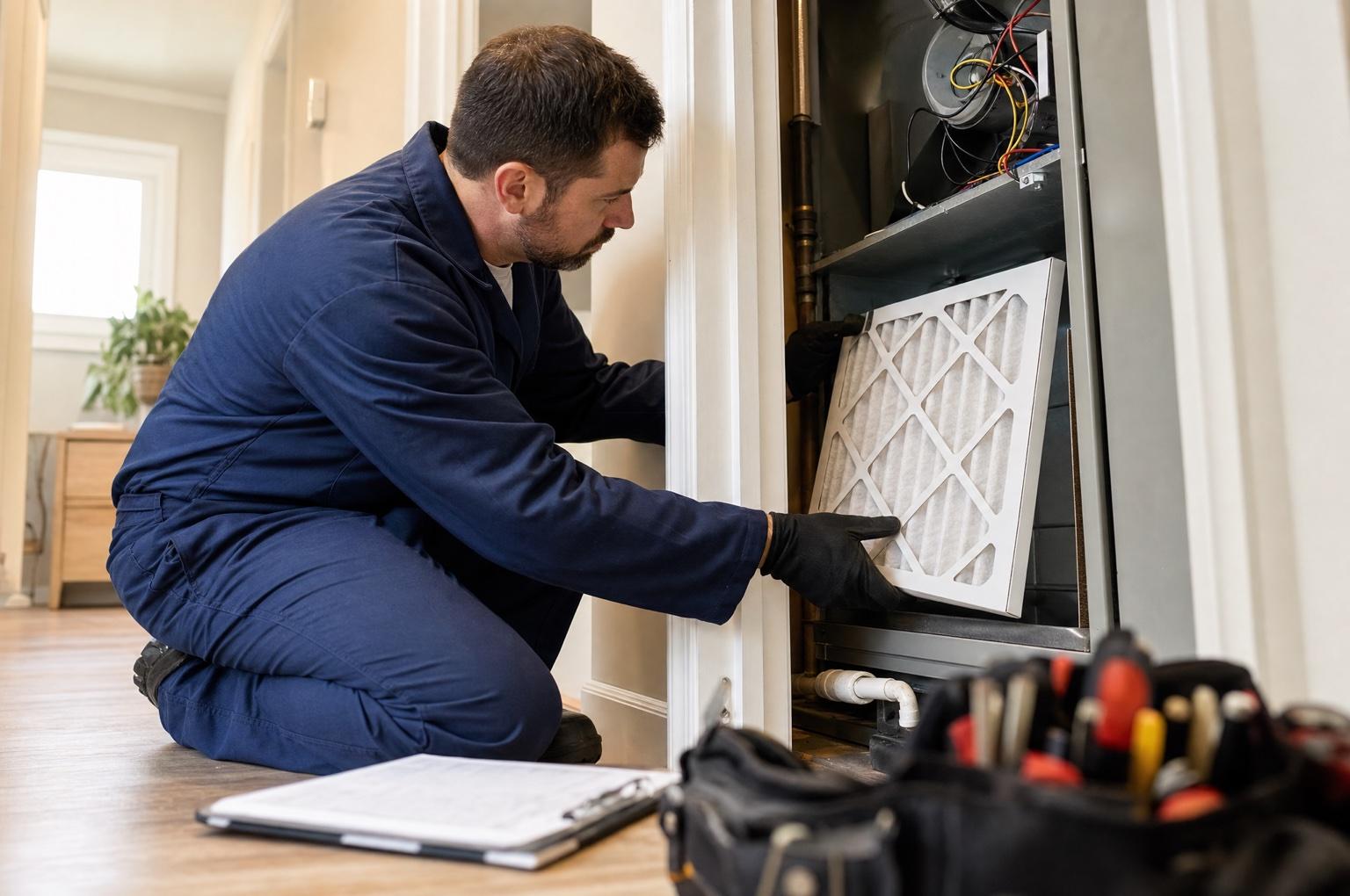
What this course is — and is not
This course covers non-refrigerant HVAC knowledge and does not qualify you to perform licensed HVAC work or handle refrigerants. Working with regulated refrigerants requires passing the EPA Section 608 exam, which is administered by EPA-approved certifying organizations — not by NISCR. Many states also require an HVAC or mechanical contractor license for installation and repair work.
A NISCR Certificate of Completion is proof of training, not a license and not an EPA credential. It is designed for helpers, apprentices, and maintenance staff doing supervised maintenance work, within whatever registration or licensing their state requires — and as an honest first step for anyone headed toward EPA Section 608 testing and state licensing later.
Market data
What customers typically pay, plus BLS pay data (national figures)
These are national, third-party figures, and they are not what you will earn. Licensing rules vary by state; check yours before taking paid work.
What customers pay for HVAC maintenance
$150–$350 per service (Fixr, Jan 2026)
What customers pay for AC service
$170–$752 per visit (Thumbtack, Jul 2026)
Median pay, HVAC mechanics and installers (BLS 49-9021)
$61,010 / yr (May 2025)
Customer prices on course pages come from third-party cost guides (Thumbtack, HomeAdvisor, Fixr) dated January 2025 to July 2026, and pay figures from the U.S. Bureau of Labor Statistics (May 2025 data) for the occupation named. They are third-party market figures, not earnings promises: what you earn depends on your location, licensing, effort, and costs, and is not guaranteed.