Nebraska · CST
Chimney Sweep Certification in Nebraska
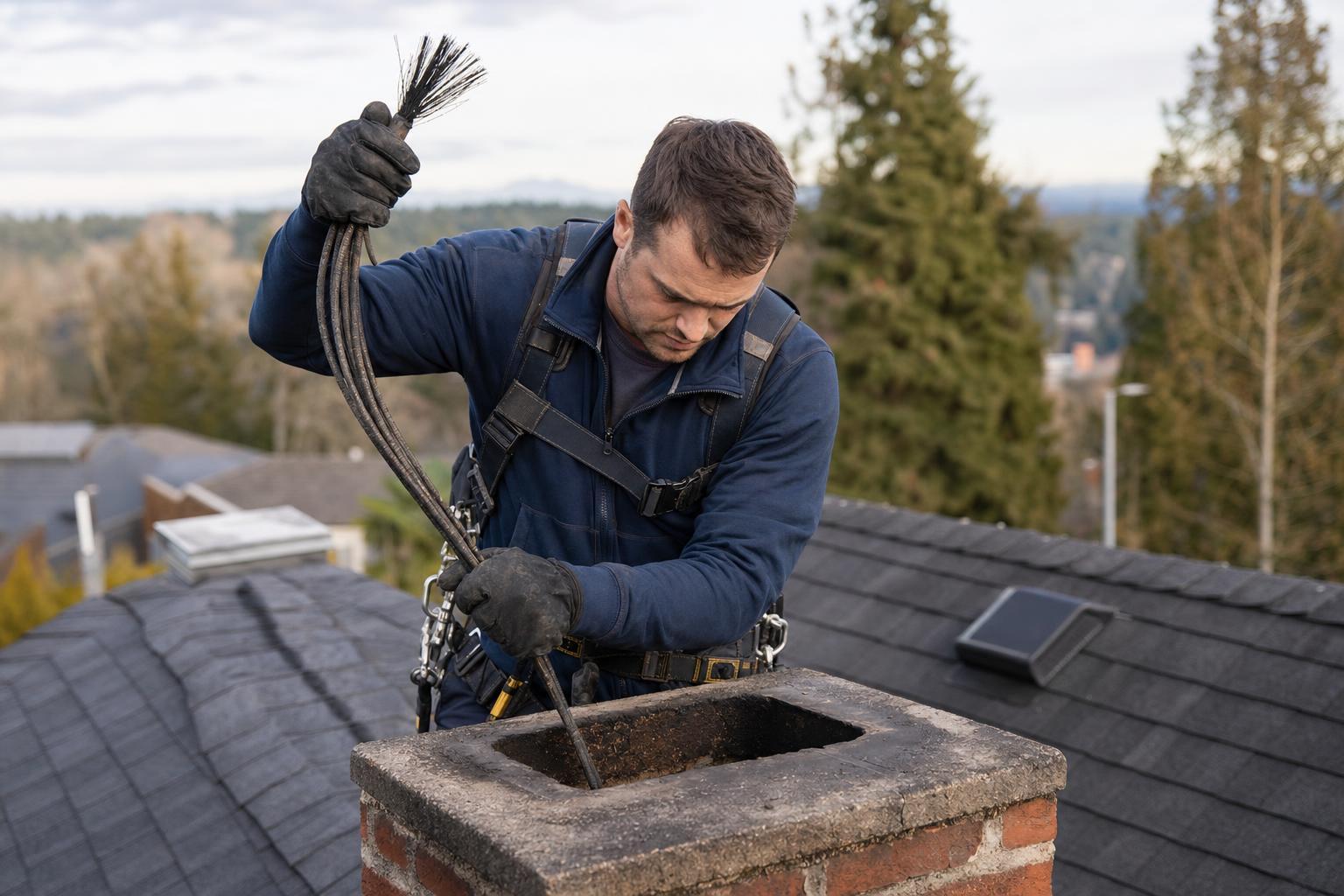
Chimney Sweep certification teaches safe inspection and cleaning of chimneys and flues for Nebraska homes that rely on fireplaces and wood stoves through long, cold winters. NISCR's online, self-paced Chimney Sweep course can be completed statewide, with a same-day certificate on completion.
100% online & self-paced — your certificate the same day, anywhere in Nebraska.
- Self-paced
- Instant certificate
- 2-year validity
Licensing
Do you need a license in Nebraska?
Chimney sweeping is generally not a separately licensed trade in Nebraska, although some municipalities may require local business registration, and related repair or rebuilding work can fall under city building and permit rules in places like Omaha and Lincoln. Verify current local and state requirements before working for pay. The NISCR certificate is a professional credential, not a government license.
| Government license | Professional certification (NISCR) | |
|---|---|---|
| What it is | Legal permission from a state agency to perform regulated work. | Proof you completed standards-based training and passed an exam — a verifiable certificate anyone can check at niscr.com/verify. |
| Who issues it | Your state licensing board or agency. | NISCR — a private certification provider, not a government body. |
| Legally required to work? | Sometimes — it depends on your state and the specific service. | No — it is a professional credential, not a legal requirement. |
| Why it matters | Required by law where it applies; operating without one can mean fines or penalties. | Verifiable proof of training that builds customer confidence and helps you compete for better-paying jobs; it does not replace a credential a specific insurance program requires. |
| How you get it | Apply through your state; requirements and timelines vary. | 100% online and self-paced — download your certificate the same day. |
A NISCR Certificate of Completion confirms completion of NISCR training and examination. It is a professional credential, not a government license. Where local law requires a license to perform a service, the technician is responsible for obtaining it. Licensing rules change and vary by city and county. Always confirm current requirements with your state licensing board before performing work.
Local demand
The chimney sweep market in Nebraska
Nebraska's cold, long winters mean heavy use of fireplaces, wood stoves, and chimneys, and creosote buildup raises the risk of chimney fires during the heating season. Older Omaha and Lincoln neighborhoods, rural farmhouses, and Sandhills and Panhandle homes that rely on solid-fuel heat all generate seasonal demand for sweeping and inspection.
Earning potential
What chimney sweep pros earn in Nebraska
Illustrative only and never guaranteed: chimney sweeps in Nebraska commonly see roughly $18-$30 per hour, with certified operators who add inspections and minor repairs, and who book a full fall and winter schedule, positioned to earn more.
Standard sweep & cleaning ticket
$150–400 / job
Seasonal demand
fall & winter peaks
Add-on inspection revenue
per-chimney inspection fees on top of the sweep
Illustrative ranges — actual earnings vary by location, effort, and experience, and are not guaranteed.
Curriculum
What you’ll learn
- Identify the three stages of creosote buildup and select the correct removal method — brushing, rotary, or recommending specialist treatment — for each.
- Perform a level-1 inspection of a readily accessible flue, connector, and appliance, and document findings in a clear written report.
- Inspect chimney caps and spark arrestors for damage, blockage, and animals or debris getting in, and recommend repairs.
- Test damper operation and seating to confirm proper draft and a positive seal when the appliance is not in use.
- Recognize the distinct hazards of wood-burning versus gas appliances, including creosote ignition risk and carbon-monoxide and acidic-condensate concerns on gas flues.
- Set up and break down the job to protect the home — drop cloths, dual-HEPA vacuum containment, and soot control around the firebox.
The process
How it works
Enroll & pay
Secure checkout, instant course access.
Complete the course + pass the exam
Guided lessons with real job scenarios, then a 20-question exam — 75% to pass, unlimited retries.
Download your certificate
Personalized certificate generated instantly, with a unique verification ID.
Questions
Chimney Sweep certification in Nebraska — FAQ
- Do I need a license to be a chimney sweep in Nebraska?
- Chimney sweeping is generally not licensed in Nebraska, but local business registration may apply and related repairs can trigger city permit rules. Verify current requirements before taking paid work.
- Is there demand for chimney sweeps in Nebraska?
- Yes. Long, cold winters drive heavy fireplace and wood-stove use, and creosote-related fire risk creates strong seasonal demand, especially in older urban homes and rural and western Nebraska.